About the project

Public history as democratic participation

Who Owns Memory? explores how difficult, marginalised and contested pasts are researched, interpreted, contested and made visible in contemporary public life and digital spaces.

The project

Who has the power to preserve, interpret and share the past?

The project asks whose stories become part of public history, which experiences remain overlooked, and how digital media shape collective memory, historical understanding and public debate.

Bringing together students, researchers, educators, cultural professionals, artists, archivists and members of civil society, the 2026 programme created a collaborative space for critical reflection, exchange and practical public-history work.

Through workshops, oral testimony, archival research, photographs, digital mapping and storytelling, participants investigated historical narratives, identified absent or marginalised voices, and developed accessible digital public-history projects.

Who is remembered?

Memory is shaped through selection, preservation, interpretation and visibility. The project treats those processes as historical questions in their own right.

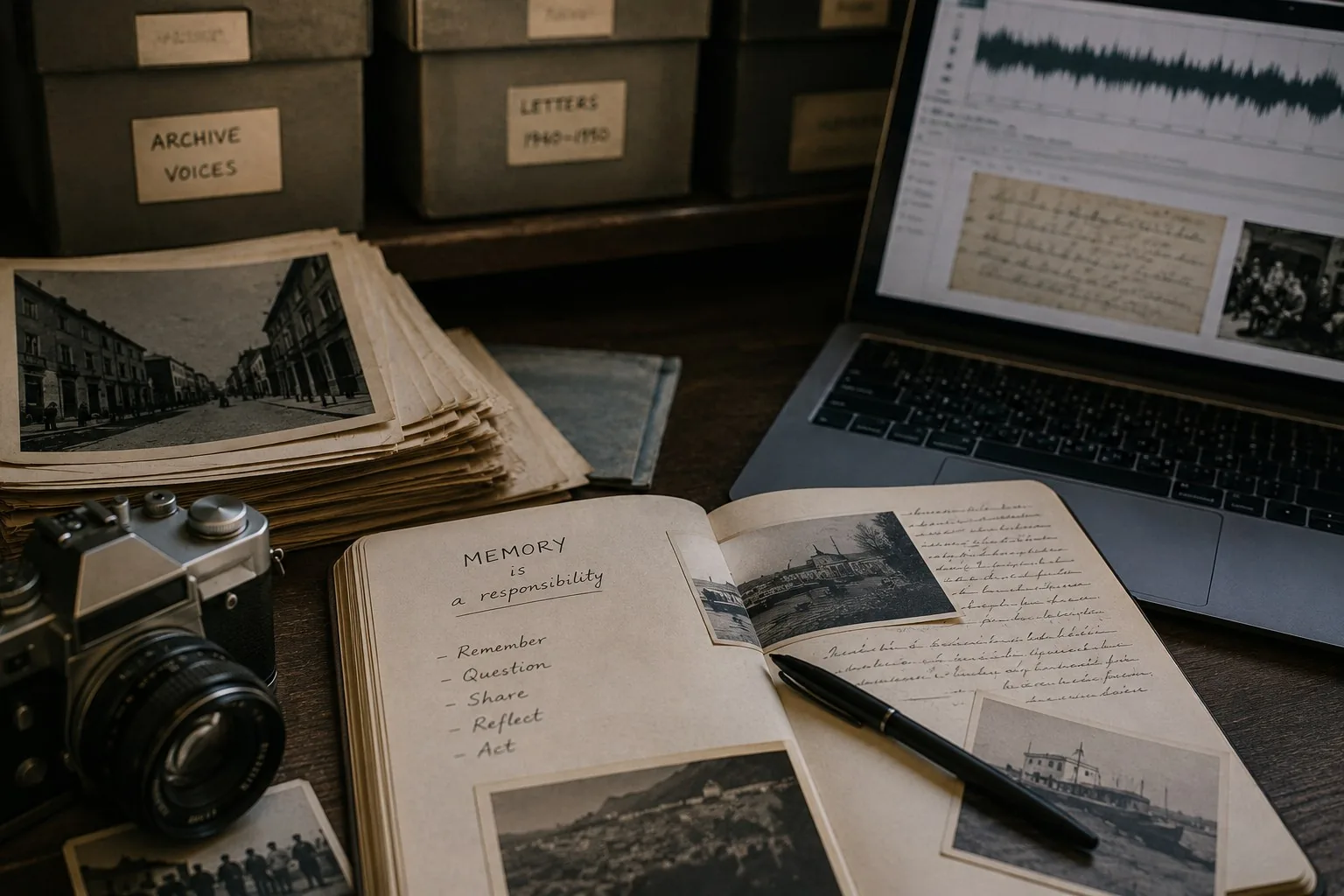
Archive, photographs and digital public history materials
Our vision

History is never simply about the past.

Museums, archives, schools, monuments, media and digital platforms all influence what becomes visible, what is forgotten, and how historical narratives travel between generations.

Our approach

Who Owns Memory? understands public history as a process of research, interpretation, participation and dialogue. Participants are trained to work critically with sources, ask whose perspectives are present or absent, consider ethics and rights, and choose digital formats because they serve the historical story.

What we do

Working with oral testimonies, archival documents, photographs, maps, places and local historical narratives, participants are trained to investigate how personal and community memories become part of collective history and how historical knowledge is created, interpreted and communicated.

Behind the project

People

Scientific leadership, project coordination, exhibition advisory and programme support.

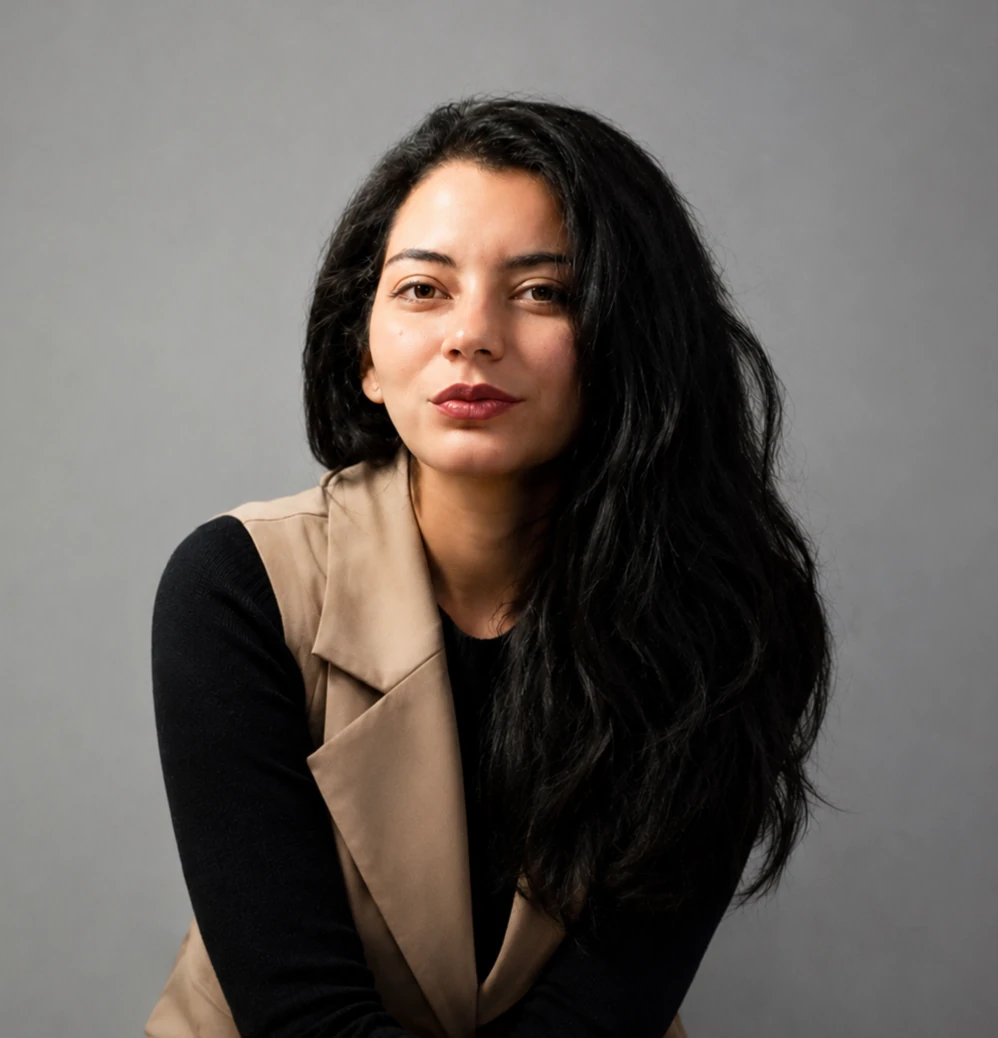
Dr Marina Bantiou
Scientific Coordinator & Project Lead

Dr Marina Bantiou

Dr Marina Bantiou conceived and developed Who Owns Memory? Democratic Participation in Digital Public History. She leads the project’s academic direction, workshop programme, partnerships and the production of its digital public-history outputs.

She is a historian based in Greece and serves as a Visiting Researcher at the Luxembourg Centre for Contemporary and Digital History (C²DH) and as a Postdoctoral Researcher at Aristotle University of Thessaloniki. Her current research focuses on the memory of the Holocaust of the Jewish community of Corfu, with particular emphasis on oral testimony, digital tools and Public History approaches in education.
Dr Kirti Sharma
Project Assistant

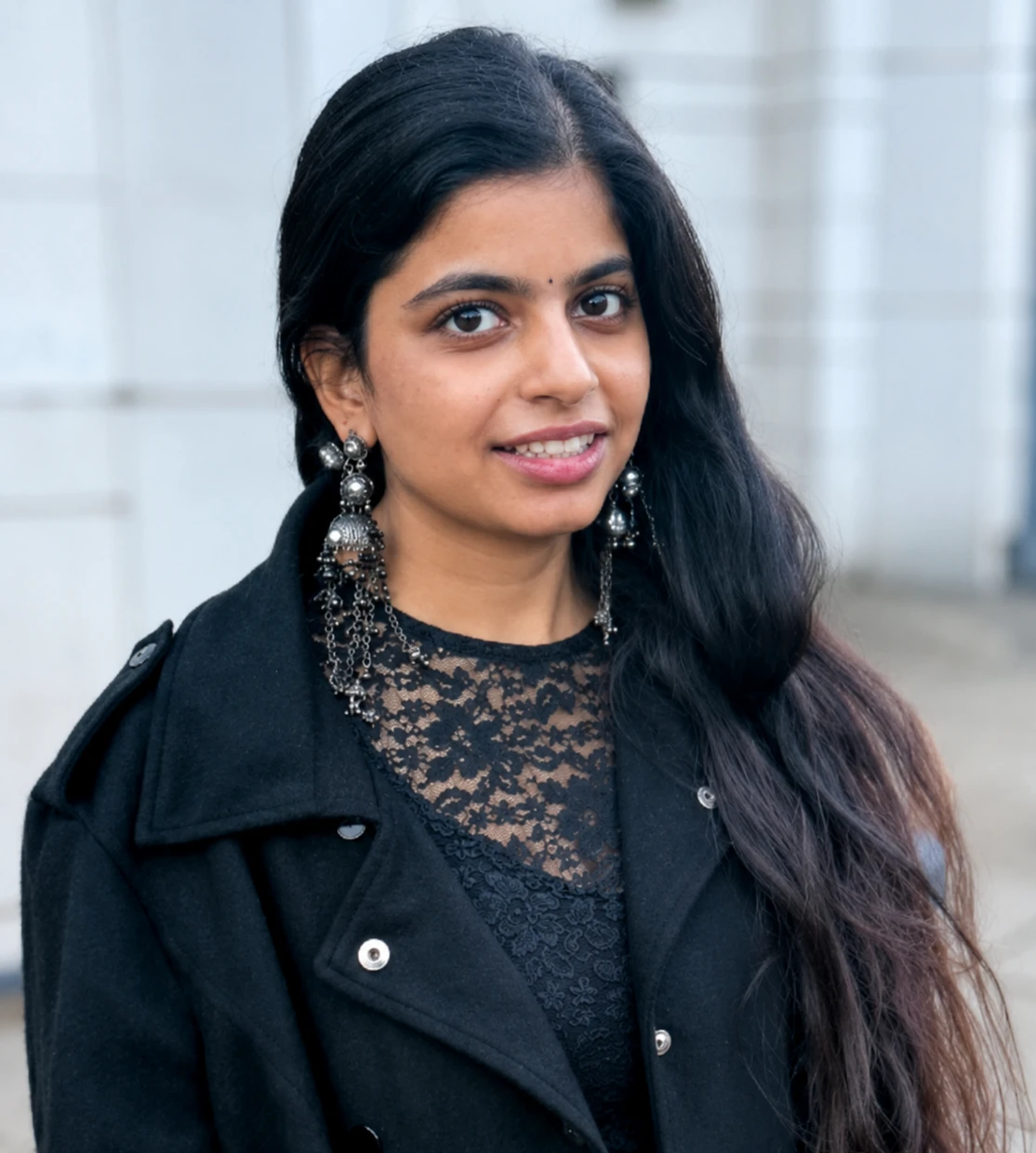
Dr Kirti Sharma

Dr Kirti Sharma is an environmental humanities scholar working at the intersections of Indigenous/Adivasi Studies, environmental justice, gender, cultural memory, and South Asian literatures. She recently completed her PhD in English Literature from the Central University of Rajasthan, India.

She was a fully funded participant in the Summer School of the Centre for Care, University of Sheffield, UK. Her broader research interests include digital public history, community-centred knowledge preservation, environmental memory, care ethics, and the relationship between gender, ecology, and indigenous knowledge.

Miljenko Hajdarović
Digital Exhibition Advisor

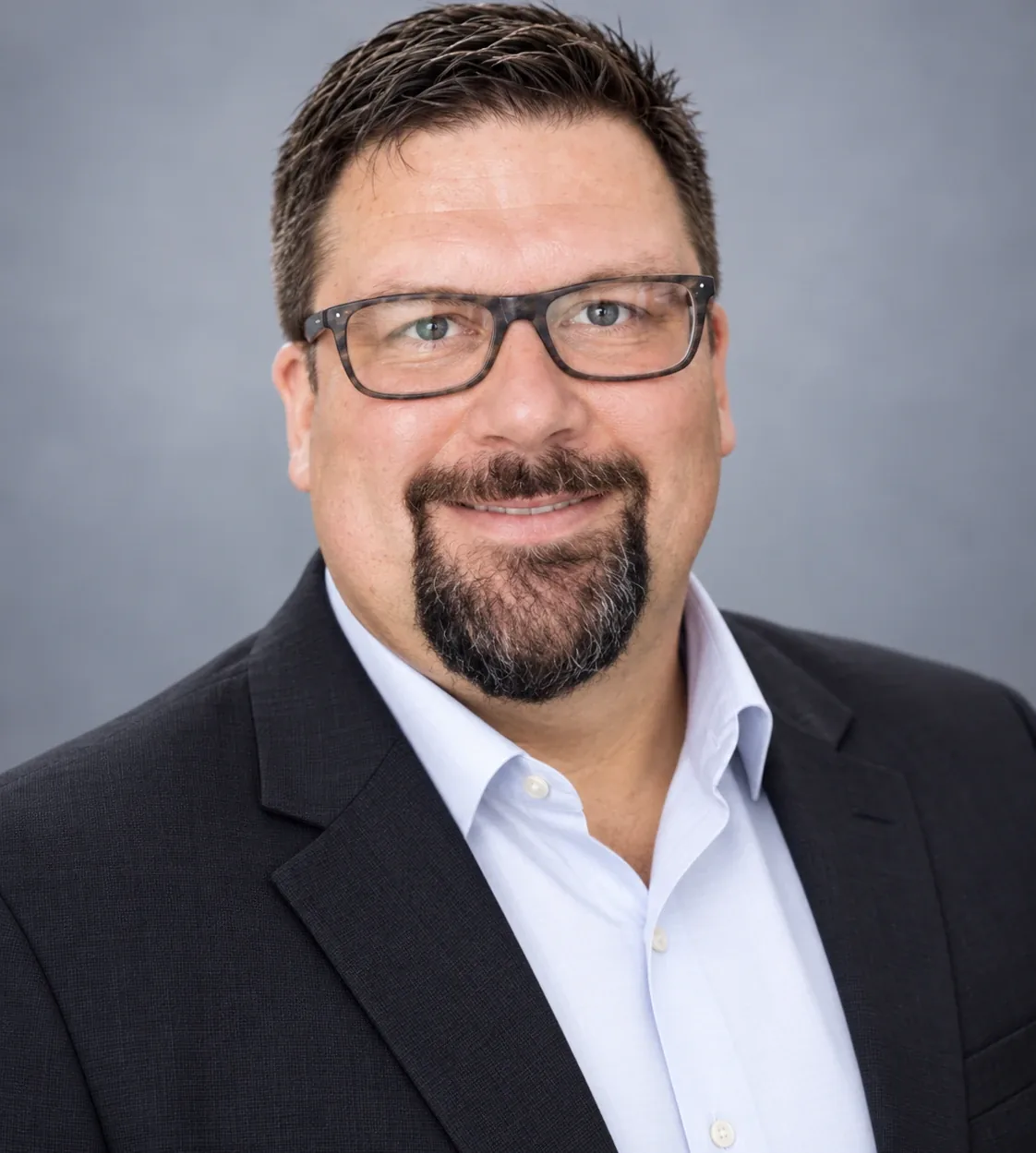
Miljenko Hajdarović

Miljenko Hajdarović is a Croatian historian, educator, author, and public history practitioner with more than two decades of experience in history education, publishing, digital learning, and public engagement with the past. He is the author and co-author of more than ten history textbooks and numerous educational resources.

He authored the Croatian panels for the Anne Frank travelling exhibition, which has toured more than 50 locations across Croatia since 2013 and reached over 60,000 visitors, and served as an expert advisor for adaptations of the exhibition in Bosnia and Herzegovina and Serbia.

His current work explores history education, digital technologies, artificial intelligence, and memory, alongside doctoral research on the future of history education in Europe.

International programme

Facilitators & contributors

The programme was shaped through contributions from specialists working across public history, digital history, Holocaust history, oral history, digital democracy, storytelling, education, memory and digital culture.

Eirini (Renée) Gkatsi / Digital Democracy Foundation · Dr Borbála Klacsmann · Magdalena Chmiel · Teona Dalakishvili · Branka Pavlović · Nikola Polić · Dr Giannis Perperidis, alongside the participant community and project creators.

Explore the programme and workshops →

Funding

Foundation Remembrance, Responsibility and Future

Who Owns Memory? Democratic Participation in Digital Public History is funded by the Foundation Remembrance, Responsibility and Future (EVZ Foundation) as part of Histoday 2026: No Time to Forget. For Democracy, Facts and Dignity.

The EVZ Foundation supports projects that connect historical knowledge with the present and encourage critical engagement with difficult histories, dignity and democratic responsibility.

EVZ Foundation logo